What Computer Vision Means to AR and VR
VR immerses a person into a virtual world stimulating their real presence through senses. This stimulation can be achieved through a source of content and hardware like headsets, treadmills, gloves and so on. Computer vision aids virtual reality with robust vision capabilities like SLAM (simultaneous localization and mapping), SfM (structure from motion), user body tracking and gaze tracking.

Computer Vision and Augmented Reality for E-Commerce
Recently, AR has made it possible for retailers to showcase their products in real-time. IKEA was one of the first to roll out an AR application that enabled buyers to visualize products within their homes. Today, more and more retailers are utilizing AI software to elevate the shopping experience and ease purchasing decisions for their clients.
The same goes for online clothing stores. The technology enables shoppers to virtually try on clothes and find their perfect fit. Nowadays, the number of online stores unveiling their fitting rooms by an app is growing. For now, computer vision-based augmented reality has been proven efficient in providing a better customer experience, improving brand perception and boosting sales.

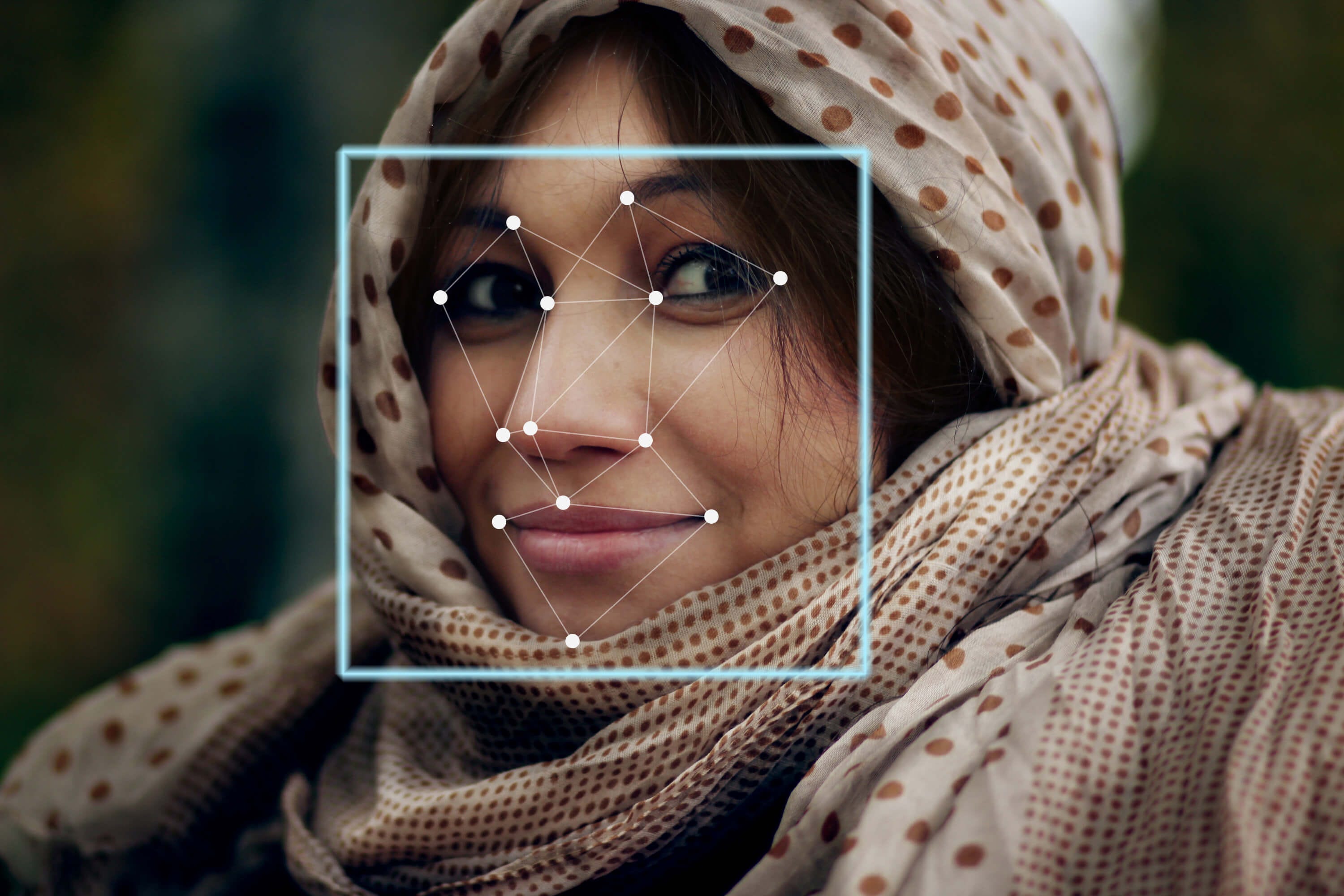

Computer vision comes into play with AR because, in order for the technology to work, the computer must also understand the context of the physical world. Say you scan a Dominos box to unlock AR content. Computer vision processes the position of the box, any images printed on the box and which direction it’s facing, and what else is in the frame.
Of course, the pizza box will have been embedded with a predefined marker. When the AR system recognizes that box, it captures the image with your smartphone camera. From there, it scans the image with sensors to identify exactly where to overlay the additional information on the box.
Next, the AR solution overlays the content on that spot. This must align precisely over the original frame, which explains why Snapchat filters disappear when you move your head. Together, these form a complete image, a combination of the real world and AR data.
Good work
ReplyDeleteVery informative
ReplyDelete👌👌
ReplyDelete👍👍
ReplyDeleteNice job
ReplyDelete